From Consumption to Control: Discovery 2026 Signals a New Era of Integrated Gambling Regulation
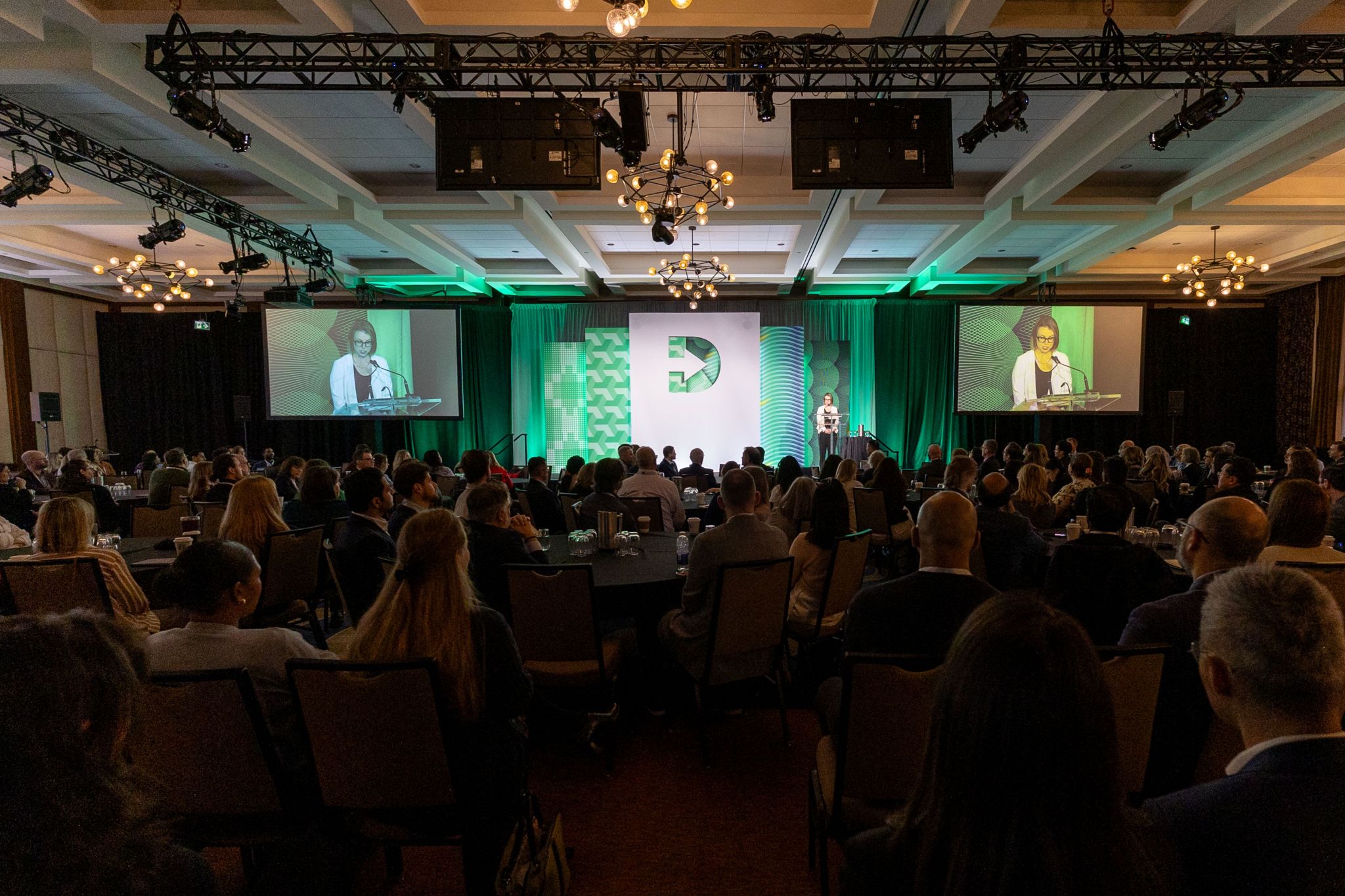
Discovery 2026, hosted by the Responsible Gambling Council (RGC) in Toronto from April 14–16, 2026, marked one of the clearest turning points to date in the evolution of the global gambling industry. The event brought together regulators, operators, technology providers, researchers, and public health experts, who - despite their different roles within the ecosystem - converged on a shared conclusion: the industry is no longer operating in a lightly regulated, market-driven environment, but is entering a tightly governed, technology-enabled system where real-time oversight and artificial intelligence are becoming structural necessities rather than optional innovations.
At the core of the discussions was a decisive shift away from traditional reactive regulation toward a preventative framework in which harm mitigation is embedded directly into product design. In practical terms, gambling platforms are increasingly being evaluated not by how effectively they maximize engagement, but by how effectively they limit risky behavior before it escalates. This shift was captured in a recurring theme throughout the conference: the transition from a logic of consumption maximization to one of controlled and constrained engagement.
Artificial intelligence emerged as a central infrastructure layer in this new model. Rather than being treated as a competitive advantage, AI is now being reframed as a baseline licensing requirement for regulated operators. Behavioral analytics systems and real-time risk detection tools are becoming essential components of compliance frameworks, with regulators expecting not only their implementation but also demonstrable evidence of their effectiveness in live environments. At the same time, concerns were raised around transparency, with growing pressure for explainable AI and independent auditing of algorithmic decision-making processes that directly influence player behavior.
Alongside this technological shift, the conference highlighted a significant structural transformation in market dynamics. Smaller and mid-sized operators are increasingly struggling to absorb the rising costs of compliance, leading to accelerated consolidation across the sector and a growing concentration of market power among a limited number of large multinational groups. In parallel, value creation within the industry is gradually shifting away from high-intensity gambling products and toward regulatory technology, data infrastructure, and compliance systems.

One of the most fundamental conceptual changes emerging from Discovery 2026 is the redefinition of gambling as a public health issue. These reframing positions gambling not solely as an economic sector governed by market logic, but as a domain in which governments bear direct responsibility for prevention, treatment, and behavioral monitoring. Within this model, regulation extends beyond traditional legal oversight and increasingly incorporates behavioral science, psychology, and health policy as core components of governance.
Data also emerged as a critical regulatory currency. The expectation for structured sharing of behavioral risk indicators between operators and regulators, along with the development of standardized risk frameworks, is reshaping the balance between competition and transparency. This introduces one of the central tensions of the next phase of industry development: the trade-off between commercial confidentiality and regulatory visibility.
Overall, Discovery 2026 made clear that the gambling industry is undergoing a deep structural transition. Growth is no longer defined solely by volume or user expansion, but increasingly by the ability to monitor, predict, and control risk in real time. The sector is moving from a consumption-driven marketplace toward a tightly regulated ecosystem in which technology, regulation, and public health considerations are fully integrated.
In this sense, the conference did not merely reflect ongoing trends - it formalized them into a new industrial reality: one in which innovation and regulation are no longer opposing forces, but interdependent pillars of the same system.





















There are written rules.
rules for writing comments